
.png)
allowing professionals to practice responding to emergencies or high-risk conditions without real-world consequences.
Wondering how it feels like growing old or how you could recover from a heart attack? Ever imagined you following a critical surgery sitting at your couch? Did you know you can be exposed to your phobias in a controlled environment? Did you know how it feels if you could fly over a city, stand at the top of the highest peaks, explore our planet or even soar into space? How can this tech be applied in healthcare?
Yes. All this is possible with the power of Virtual Reality.
In simple words, virtual reality means ‘near-reality’. s
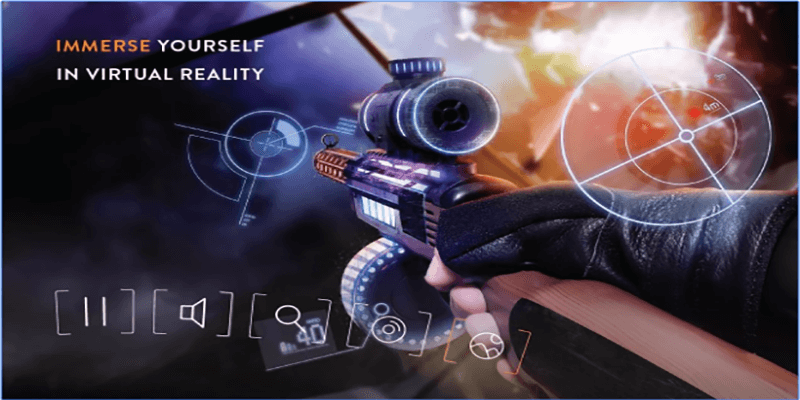
It is the creation of an artificial environment presented to our senses in such a way that we experience it as if we were really there. To enter into virtual reality a user can use goggles, gloves and headsets, all of which are generally used to display the virtual world while shutting out environmental distractions.
Virtual reality techniques are extensively used in gaming, military training, entertainment, education, research and learning. But Healthcare is one industry in particular that stands to really benefit from the utilization of VR technology. In Healthcare, traditional devices and therapies are getting replaced by newer technologies and VR enabled healthcare solutions.
Virtual Reality is a fantastic innovation which demonstrates the cutting edge of what technology is capable of today. The global market for VR in healthcare is projected to reach US$3.8 billion by 2020.
Healthcare is one of the biggest users of virtual reality for things like:
Virtual reality could elevate the teaching and learning experience in medicine to a whole new level. The traditional way to learn surgery is by practicing on cadavers or by training under an experienced surgeon. Today, only a few students can peek over the shoulder of the surgeon during an operation and it is challenging for the students to learn the intricacies involved.
With a virtual reality camera, surgeons can stream operations globally and allow medical students to use new techniques to literally “see through” the human body.
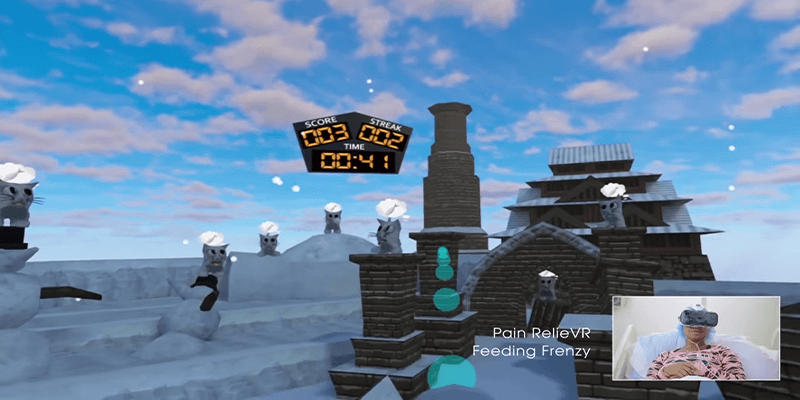
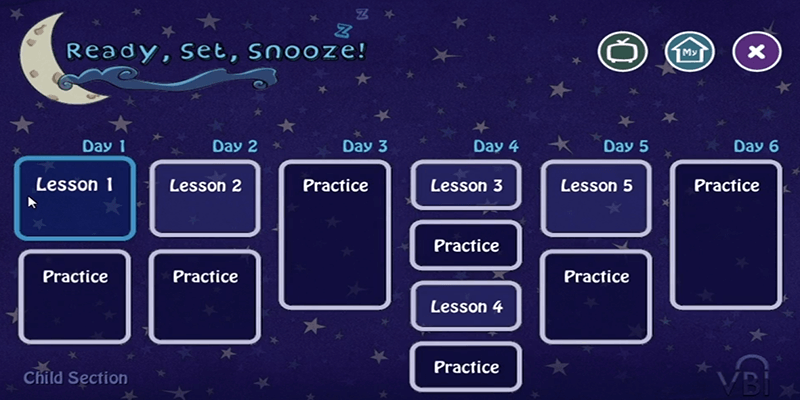
Here are few examples of how VR is helping to revolutionize the way healthcare operates
As the industry is racing to update to top notch user experiences for medical interfaces, new themes of UX trends have emerged that are shaping the future of Healthcare industry. Designing for a spherical world with the user at the center is different from designing for a flat surface and hence it should find a new paradigm.


The way we experience the world is changing and will continue to change drastically. Virtual reality is here to stay and it will be invading your living room or office much sooner than you think. Hoping for a greater future fueled by virtual reality.
Hope you enjoyed reading this. Please share your thoughts in the comments below. Look forward to hearing from you all!







.png)
.png)



