%20(1)%20(1).png)
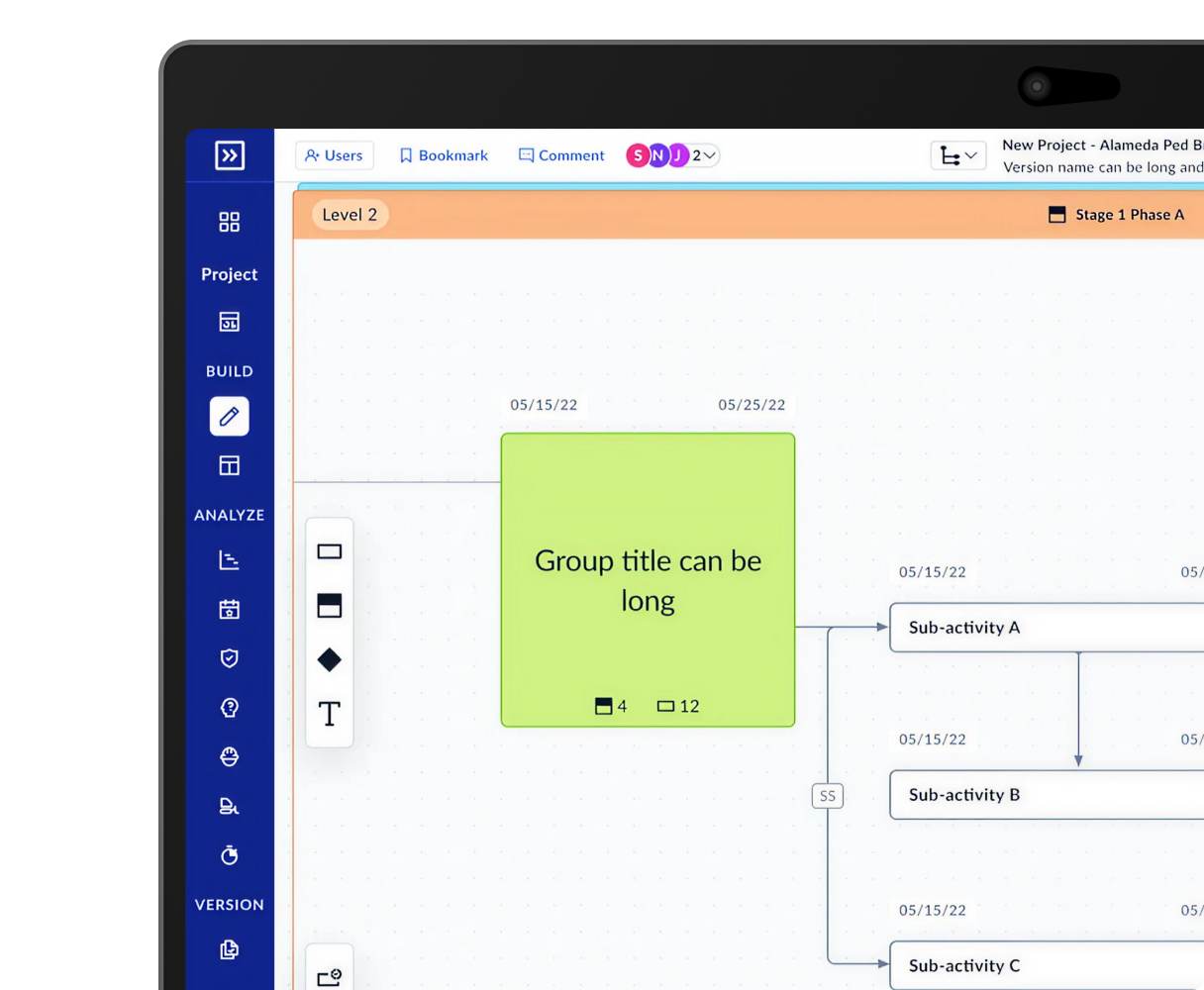
Information Architecture is the process of organizing and structuring information within a digital product so that users can find the right information and complete tasks. It involves creating layouts for screens or pages and designing user flows that show how users will interact with the product.
Findability Enhancement
Organizing information clearly helps users locate what they need easily, enabling a seamless and intuitive navigation experience.
Task Completion Support
Well-structured content enables users to complete key tasks efficiently without confusion or unnecessary effort.
Content Clarity
Information architecture sheds light on how content should be structured so that it aligns with users’ goals and expectations.
User Flow Optimization
Designing logical user flows ensures that users move through the product in meaningful and predictable ways.
Stakeholder Communication
A clear IA helps teams and stakeholders understand product structure, guiding better design and development decisions.
Blueprint for UX
Information architecture provides a blueprint for experience design, clarifying how information and interactions come together.
Information architecture plays a foundational role in UI/UX design by enabling users to find the right information easily within digital products. It defines how content is organized and presented, ensuring that interfaces support efficient navigation and task completion.
It helps designers build logical user flows and screen layouts, making sure users feel oriented and confident as they interact with the product. This clarity reduces confusion and enhances overall user satisfaction.
By providing a structured blueprint of information and interactions, information architecture supports cohesive design decisions that align user goals with product functionality and business objectives.
.png)
Can’t find your question? Contact Us


Information architecture (IA) helps organize content, navigation, and structure so users can find what they need efficiently.
Clear IA reduces confusion, improves task completion, and enhances content discoverability across complex digital systems. Better structure directly contributes to stronger engagement and higher user satisfaction.
Strong IA results in intuitive navigation, simplified content hierarchies, and improved user flows. Users are able to locate information faster, reducing frustration and task abandonment rates.
This leads to higher conversion, better usability, and stronger alignment between user expectations and product design.
IA services are most valuable during early design or redesign phases when content structure and navigation paths need clarification.
They are also useful when products become complex, with expanding features or content sets. Validating IA early helps prevent usability issues down the line and supports scalable design decisions.
The IA process usually includes content inventory, user research, defining content categories, designing navigation systems, and validating with users.
Teams map how information is grouped and accessed by users, then refine layouts to support intuitive interactions. The result is a structured framework guiding design and development.
Product teams, UX designers, content strategists, and product managers benefit from IA work because it clarifies content relationships and user paths.
Organizations with large content libraries, multi-feature products, or complex navigation systems especially benefit from having a solid IA foundation that supports usability and scalability.