Niyo is a travel-focused fintech platform that enables international travelers to manage finances through digital products like the zero-forex markup card. Designed as a modern alternative to traditional banking, it aims to deliver convenient and transparent financial experiences for global travelers.
Niyo faced challenges with brand awareness, skepticism toward its new financial offering, and usability concerns during onboarding that affected early user trust and adoption.
Our mission was to conduct in-depth user research to understand travel and financial decision-making behaviors, identify usability gaps in onboarding and the app experience, and uncover perception issues impacting trust and adoption of Niyo’s travel finance products.
gained from qualitative research exploring travel planning and forex usage behaviors.
identified during task-based evaluations of onboarding and core app flows.
revealed while studying brand perception and credibility concerns.
developed by benchmarking Niyo against other travel fintech solutions.
Journey mapping and visual analysis of solo, couple, and family traveller behaviors, preferences, and decision patterns.
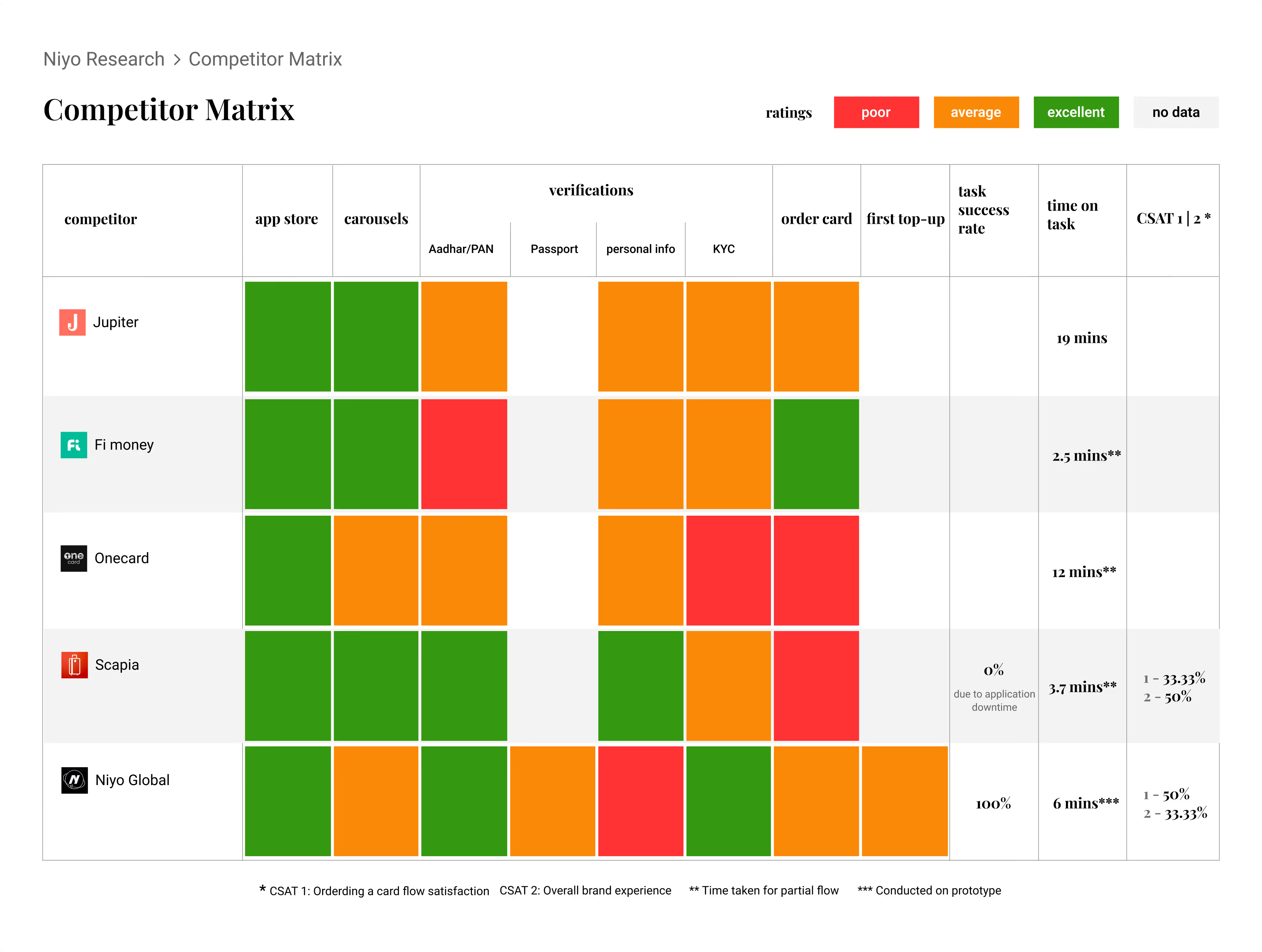
Comparison of Niyo with competing platforms analyzing onboarding, positioning, user trust signals, and feature differentiation.
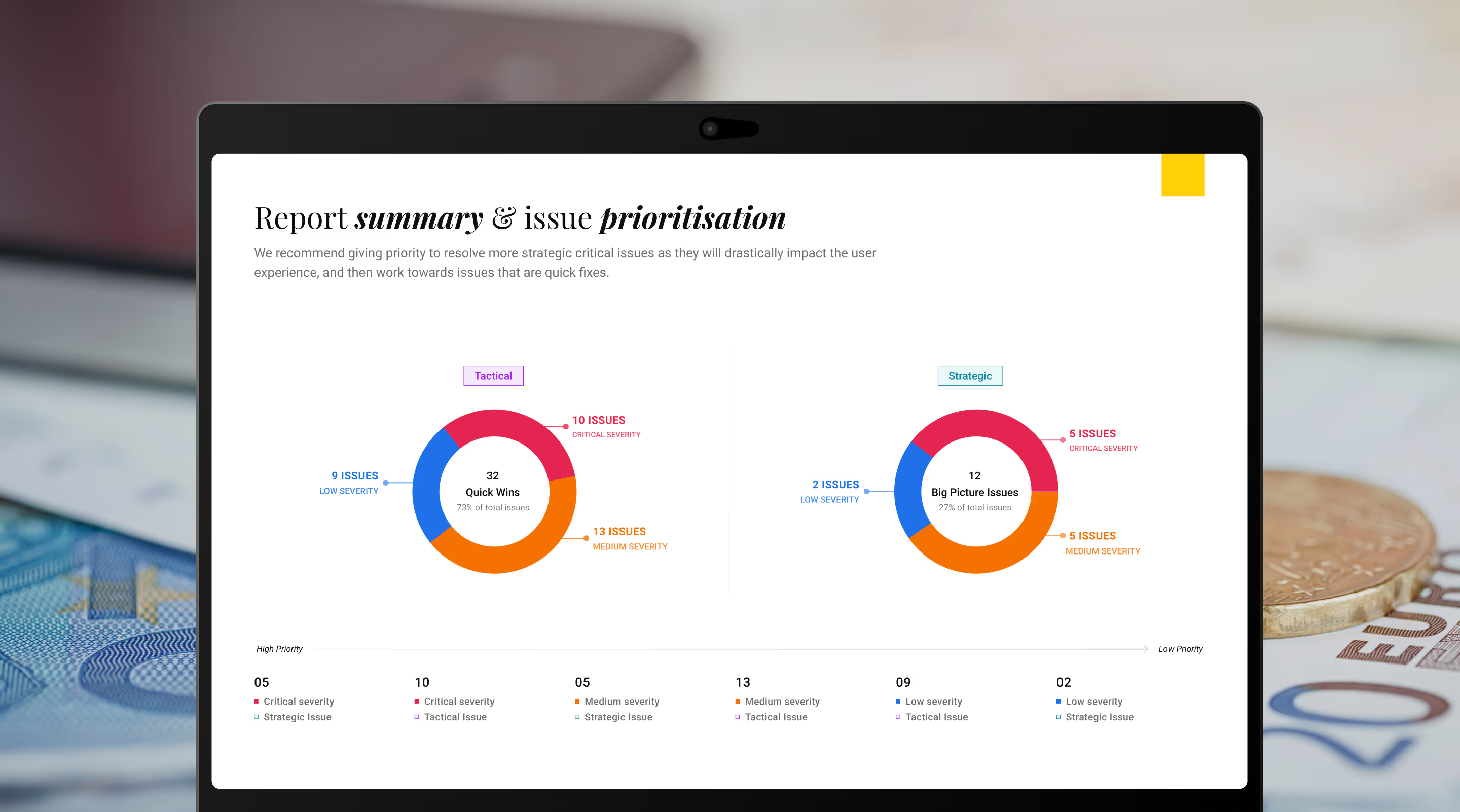
Documentation of tactical usability issues and strategic challenges discovered during interviews, testing, and research analysis.
Through user research, we gathered user insights that translated into recommendations to simplify onboarding, improve communication clarity, and strengthen trust in the product.
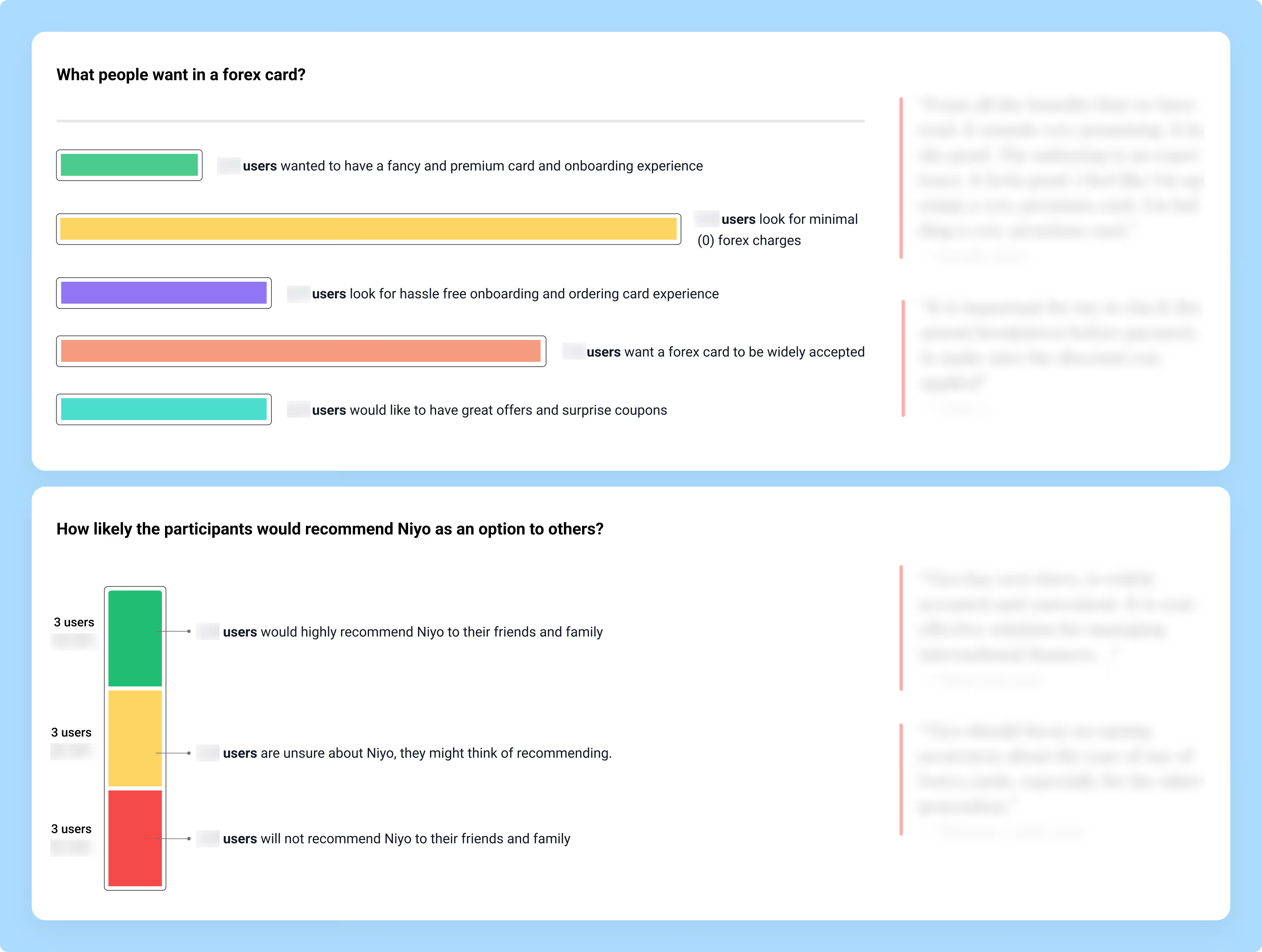
Journey mapping and visual analysis of solo, couple, and family traveller behaviors, preferences, and decision patterns.
Journey mapping and visual analysis of solo, couple, and family traveller behaviors, preferences, and decision patterns.
Comparison of Niyo with competing platforms analyzing onboarding, positioning, user trust signals, and feature differentiation.
Comparison of Niyo with competing platforms analyzing onboarding, positioning, user trust signals, and feature differentiation.
Documentation of tactical usability issues and strategic challenges discovered during interviews, testing, and research analysis.
Documentation of tactical usability issues and strategic challenges discovered during interviews, testing, and research analysis.
Through user research, we gathered user insights that translated into recommendations to simplify onboarding, improve communication clarity, and strengthen trust in the product.
Through user research, we gathered user insights that translated into recommendations to simplify onboarding, improve communication clarity, and strengthen trust in the product.
For Niyo, the research revealed key barriers affecting trust and product adoption.
onboarding confusion identified
feature communication gaps found
brand credibility improvements suggested
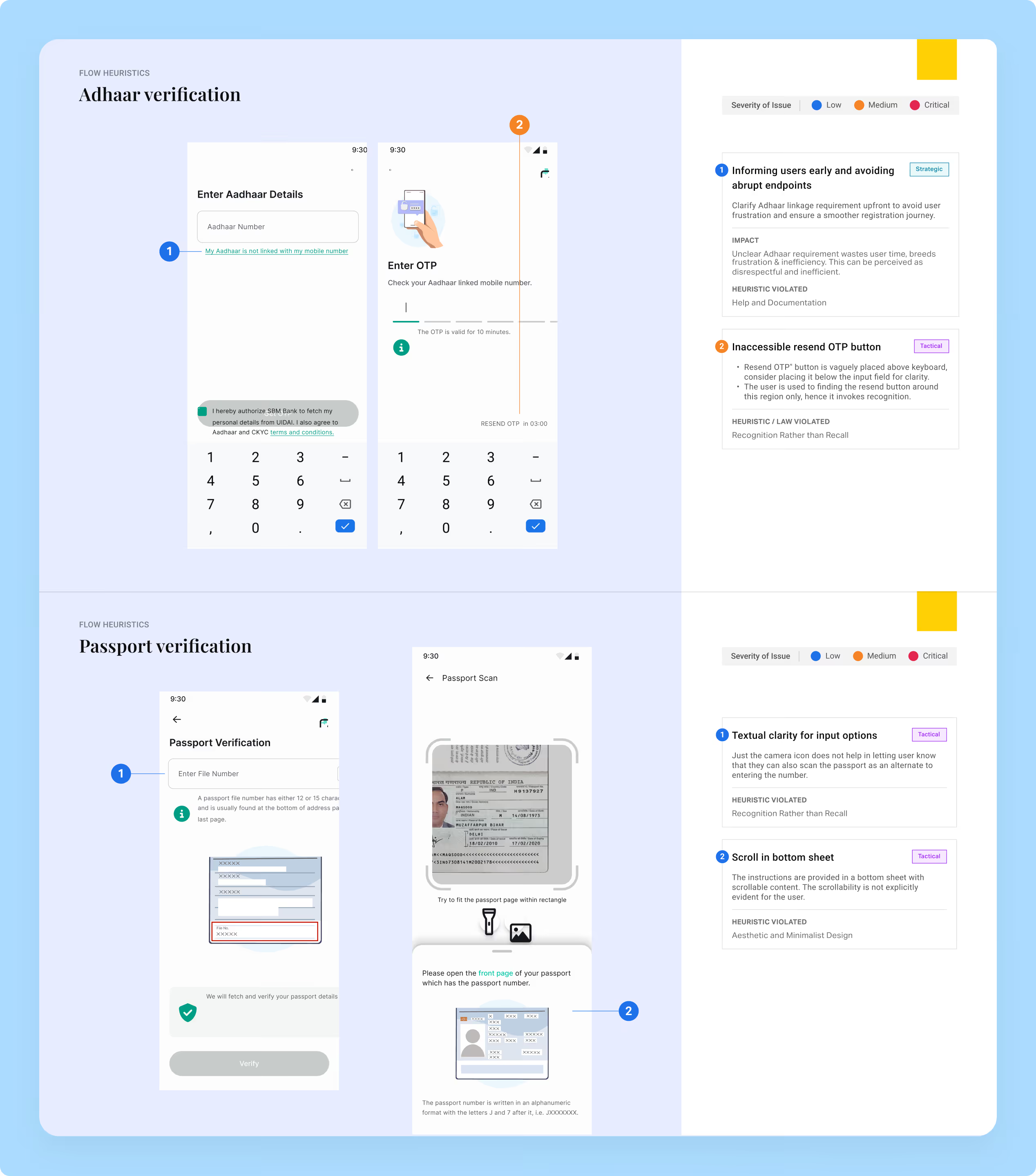
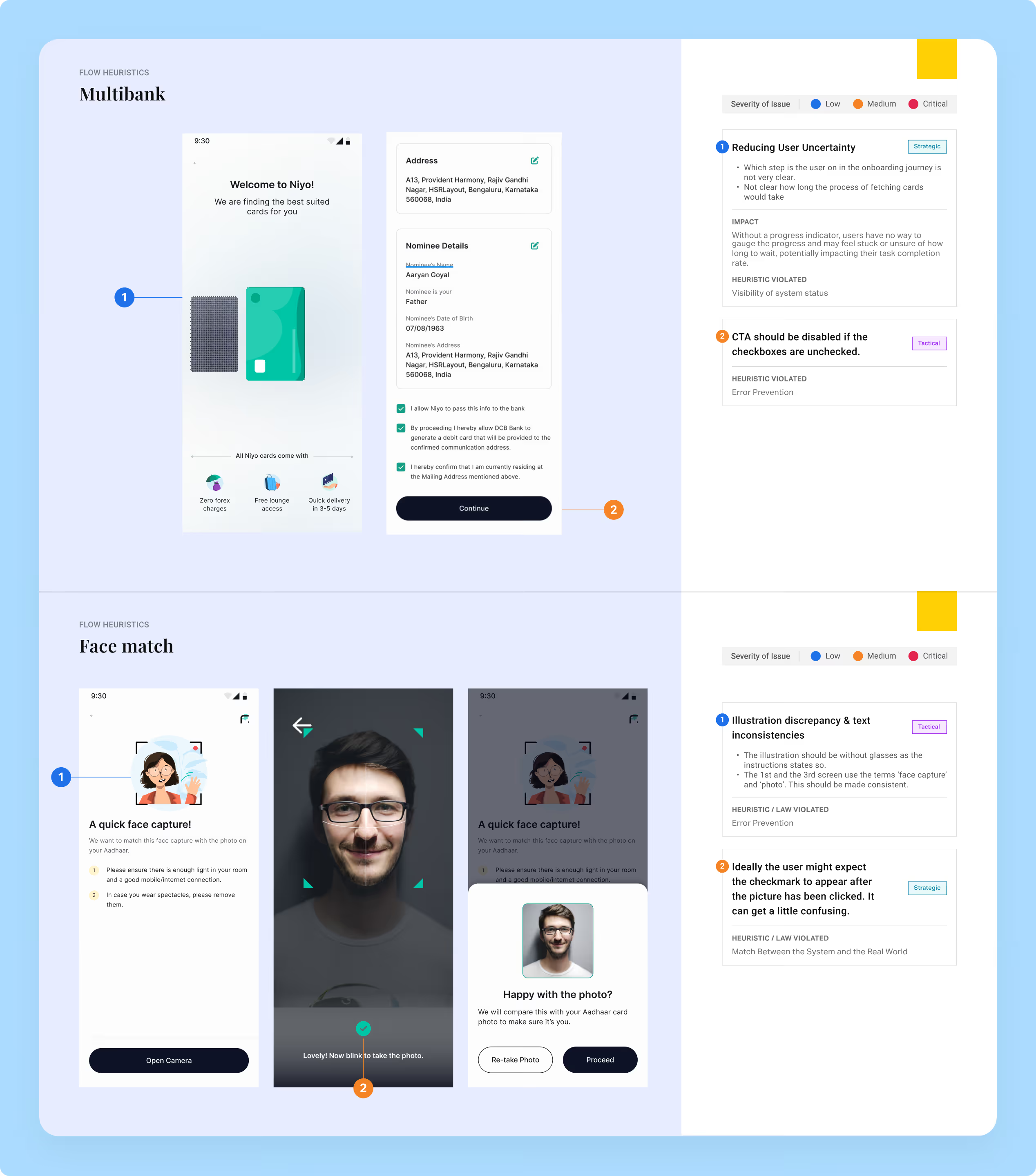
Research and UX audit of onboarding screens including Aadhaar verification, face match, biometric KYC, and related trust signals.
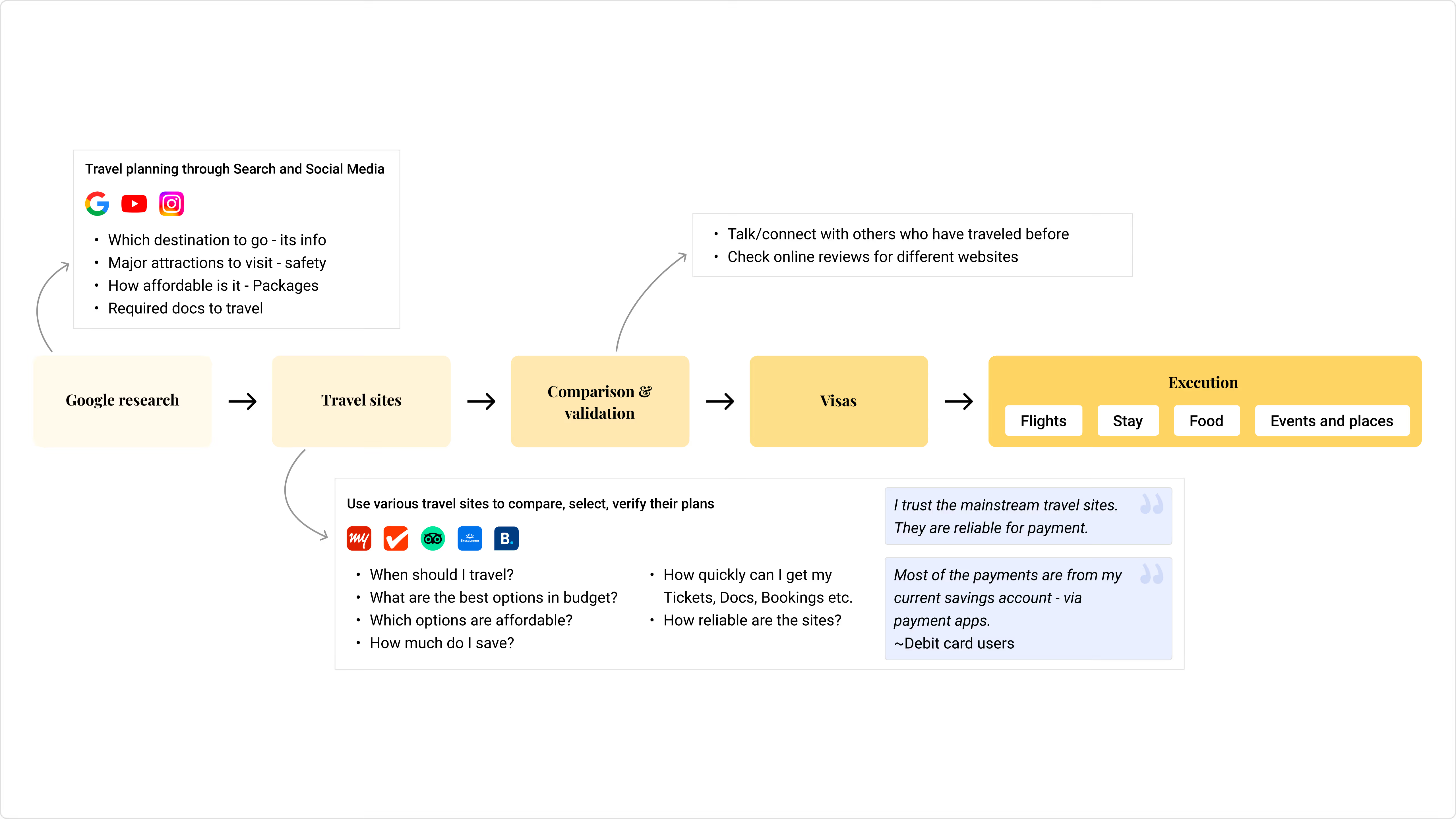
Research mapping how travellers discover destinations, compare options, validate plans, and move toward bookings and execution.
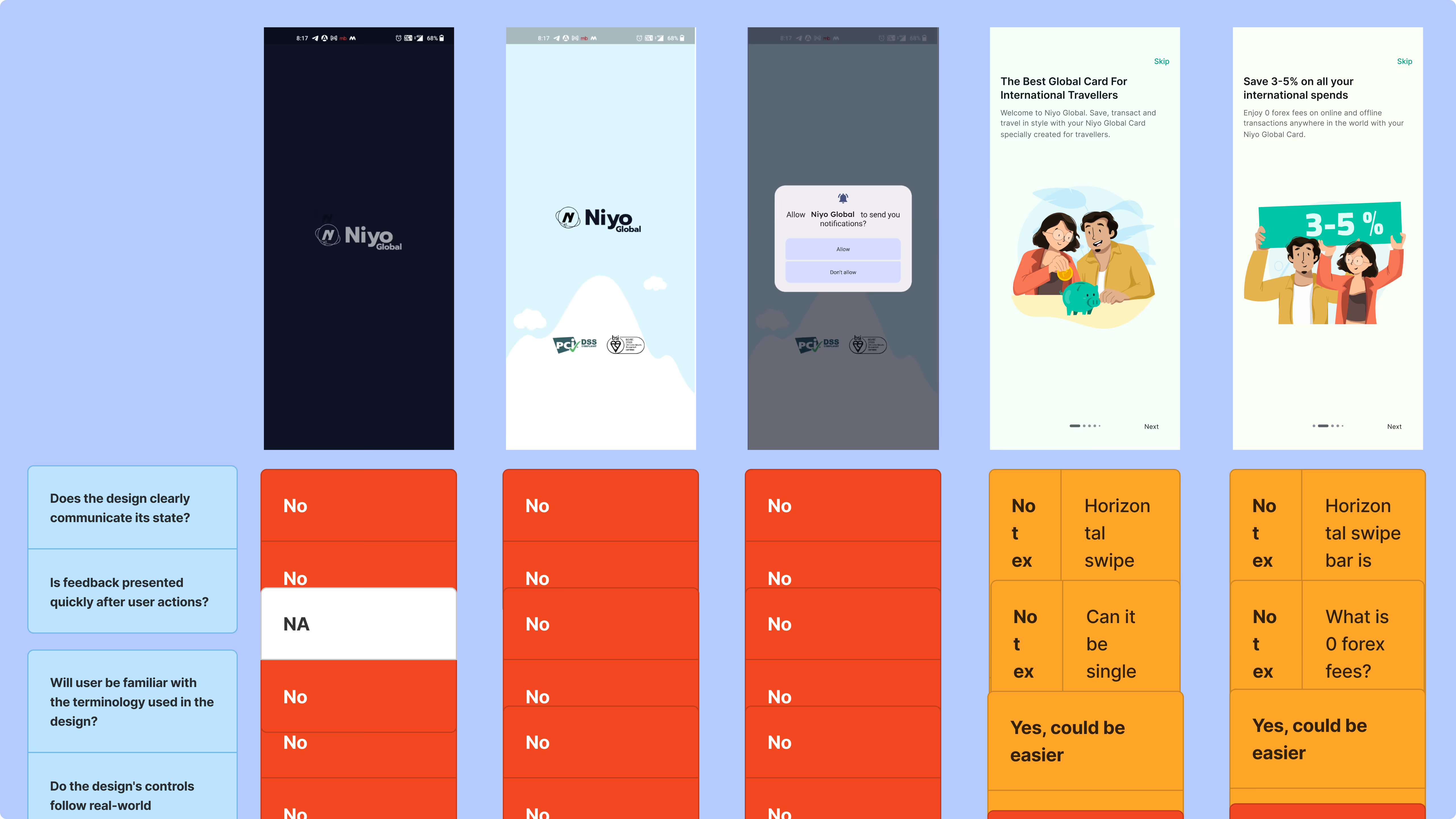
Heuristic evaluation of key app screens assessing clarity, feedback, terminology familiarity, and interaction consistency.
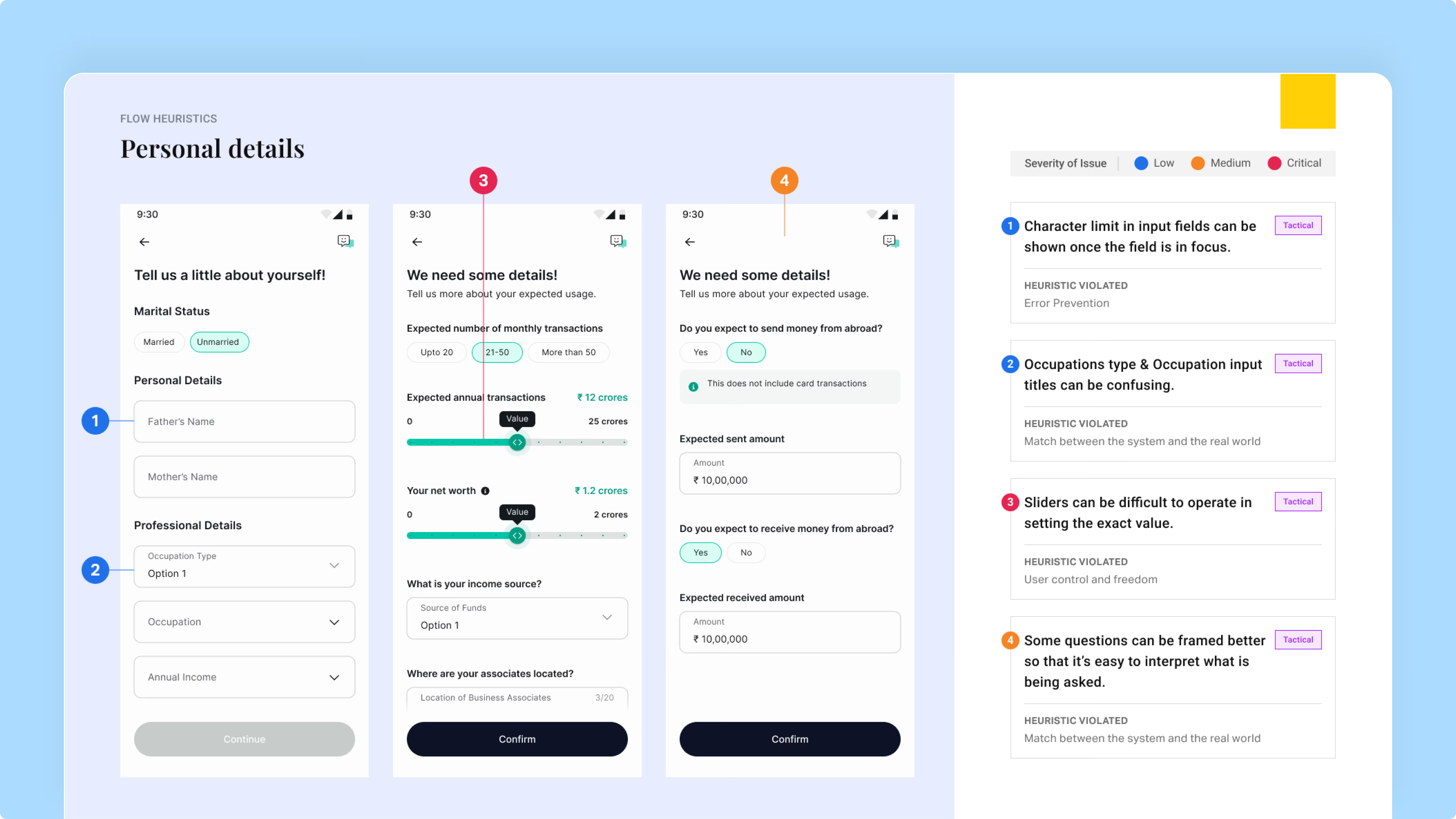
Applied flow heuristics to personal details screens, identifying friction points and improving clarity, input flow, and usability.
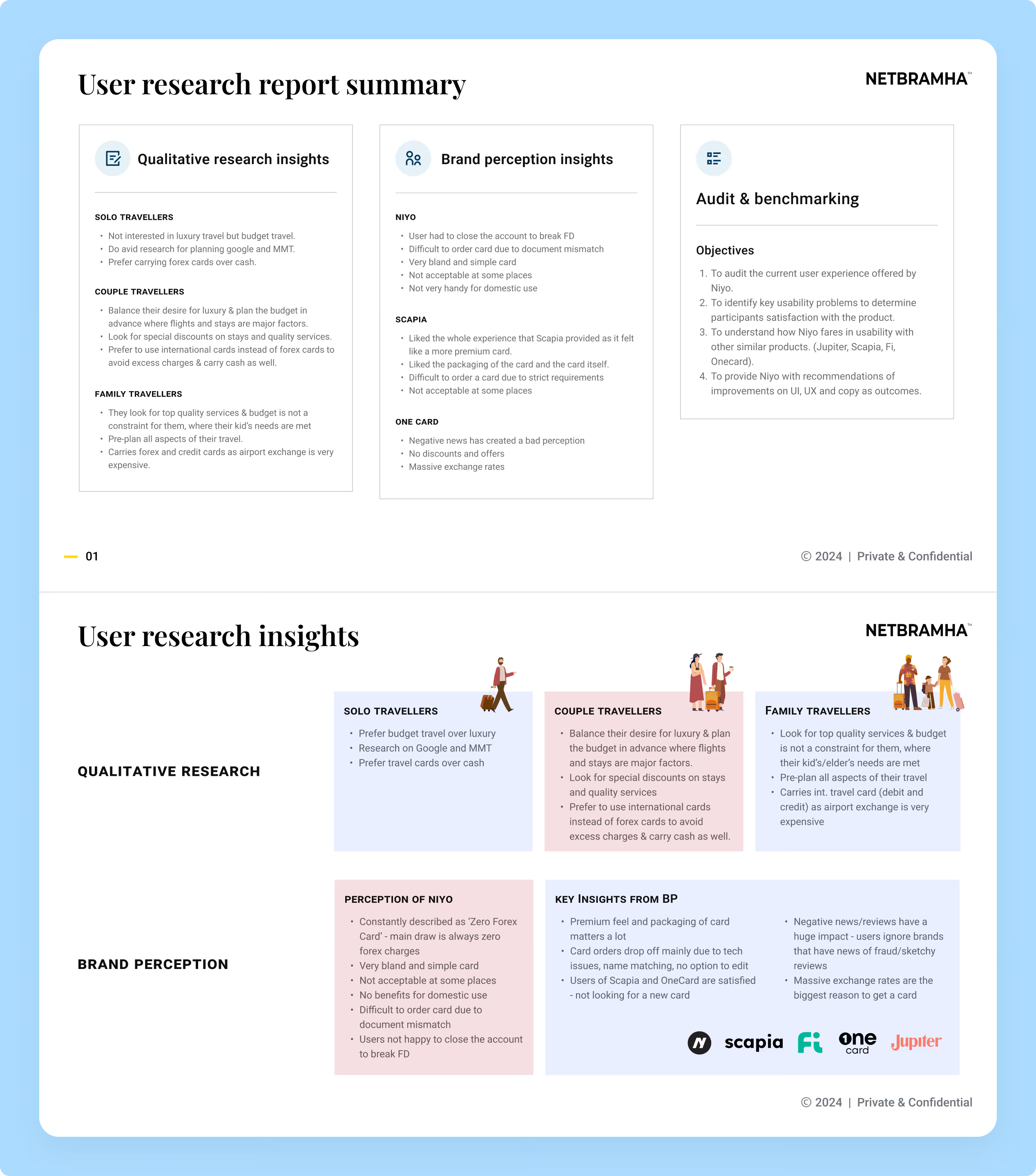
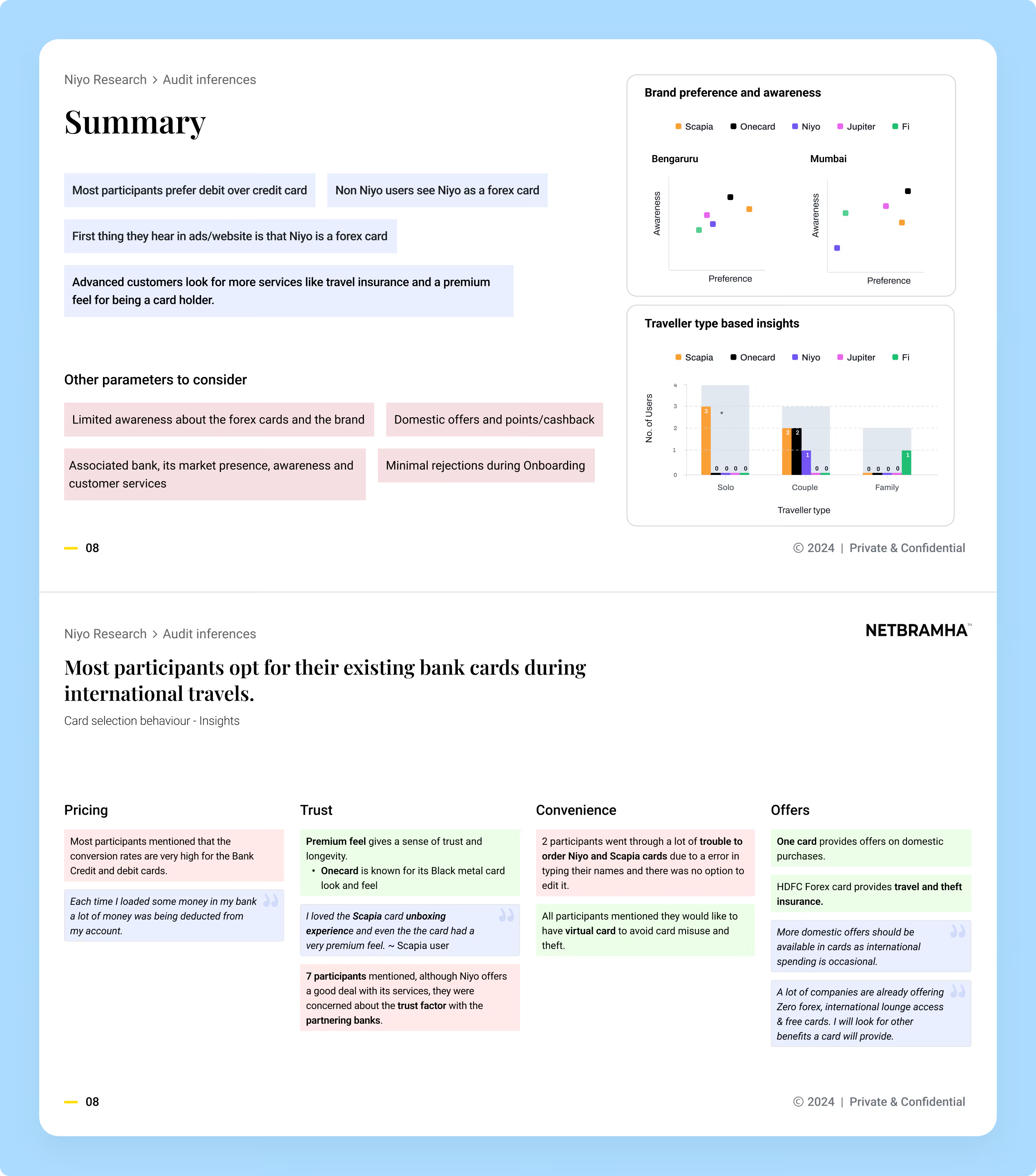
Synthesized research findings and audit inferences into a comprehensive report and client presentation with actionable insights.


NetBramha conducted user research for Niyo, a fintech platform built for Indian travellers, uncovering behavioural insights that shaped Niyo's product strategy rather than just its interface.
This is one of the few projects in NetBramha's portfolio where the primary deliverable was research and strategy, not final UI - worth knowing if you're evaluating NetBramha specifically for research capability rather than visual design execution.
The Niyo engagement drew on NetBramha's qualitative and quantitative research practice - the same methodology (ethnographic interviews, usability testing, competitive benchmarking) applied at field-research scale on SeedWorks, where NetBramha interviewed 700+ farmers directly.
The subject matter differs completely - urban travellers managing foreign exchange versus rural farmers accessing agricultural support - but the underlying research discipline (talk to real users before designing anything) is the same across both.
Design decisions made without research risk solving the wrong problem well. Niyo's engagement with NetBramha was structured to surface the actual behavioural patterns of its travel-focused user base before committing resources to interface changes.
It's a materially different, and often lower-risk, engagement model than jumping straight to a redesign - the kind of foundational work NetBramha also did early in the Planera engagement, before that product had an in-house design team.
Niyo serves Indian travellers with financial products aimed at reducing foreign-exchange costs and simplifying cross-border spending, a niche within consumer fintech distinct from domestic-only products.
That travel-and-forex focus makes Niyo one of the more internationally-oriented projects in NetBramha's fintech portfolio, alongside SIXT's cross-border car rental platform on the mobility side.
Research is only valuable if it changes a decision. NetBramha's research for Niyo was scoped specifically to inform product strategy decisions the founding team hadn't yet made, not to validate choices already locked in.
That's the same standard applied across NetBramha's research practice broadly - the 700-farmer field study behind SeedWorks directly shaped which features shipped, rather than being conducted after the design was already finalised.
Recommended Next