From biking navigation to global sea transportation, our work spans the entire travel ecosystem, reflected in the diverse list of clients we’ve partnered with:








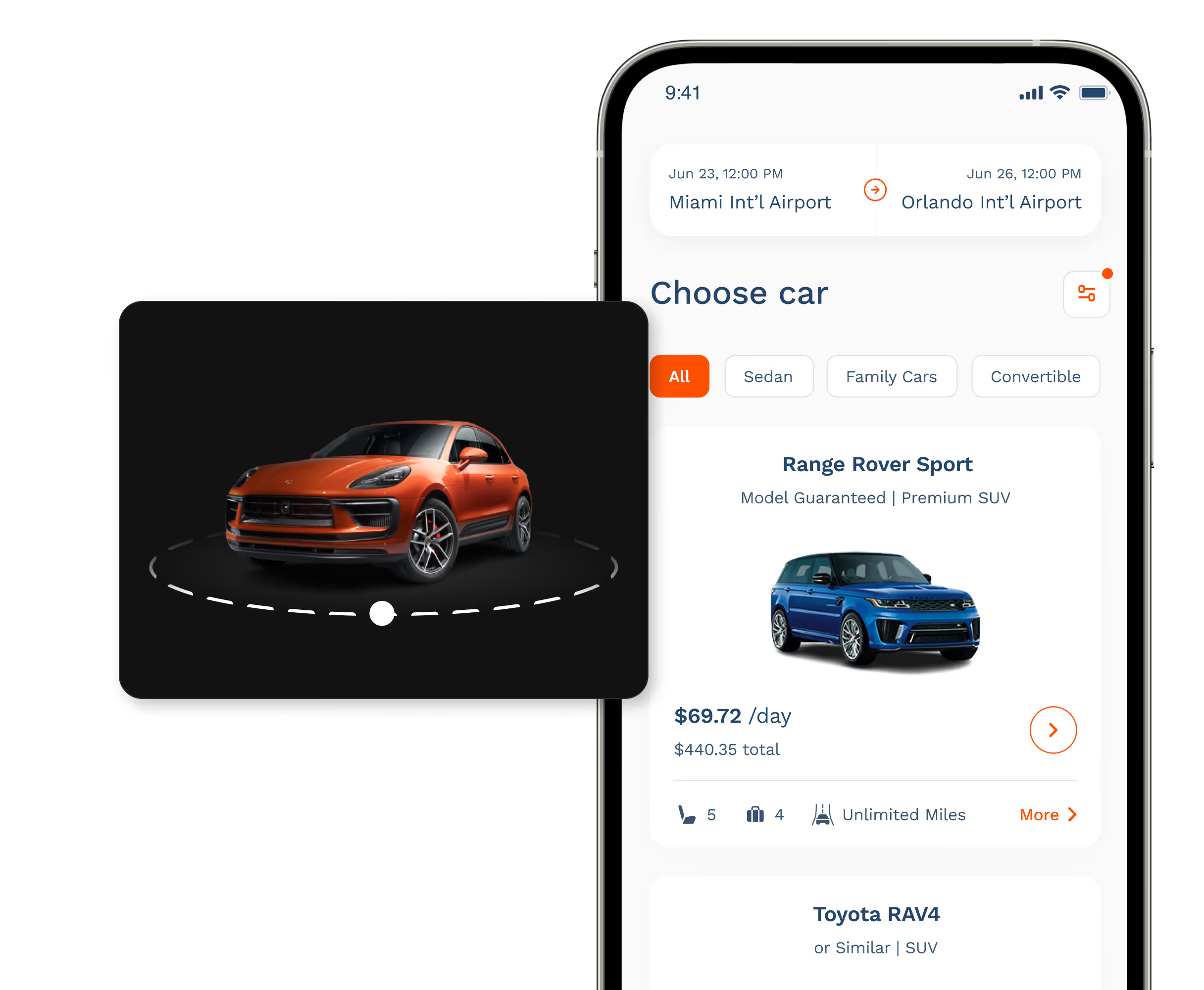
Scaling & enhancing product experience for one of the largest vehicle rental companies
Uninterrupted smartphone connect with zero distractions for biking navigation
Creating seamless, personalized, and efficient experiences across the customer journey
Modular, customizable interfaces adaptable across multiple vehicle models and brands
Our work has helped mobility and logistics leaders scale, secure funding, and streamline operations across land and sea.
Acquisition of Taxi For Sure by Ola — first major deal in India's taxi-aggregator space
Pre-Series A funding raised by Tripeur
Employees connected across 44 locations for Stolt-Nielsen


Travel & Transport design focuses on creating digital products and experiences that make journeys seamless, intuitive, and reliable for travelers and transport operators alike. It blends user experience, visual design, and service thinking to solve real-world travel problems.
Good design reduces confusion, builds traveler confidence, and ensures users can easily plan, book, track, or manage trips across devices and platforms.
UX design streamlines the travel planning process by reducing friction at every touchpoint — from searching and comparing options to booking and post-trip support. Travelers expect speed, clarity, and predictability, and thoughtful design delivers exactly that. Key UX improvements often include:
- Clear, intuitive search and filter tools
- Transparent pricing and itinerary layouts
- Easy access to support and real-time updates
Designing for travel and transport involves diverse user contexts, unpredictable conditions, and high-stakes decisions. Users might be rushed, under stress, or using unstable connectivity, so designs must be resilient and easy to navigate under pressure. Designers also balance:
- Multi-modal journeys (flights, trains, buses, rentals)
- Accessibility and inclusivity for global audiences
- Real-time data integration for schedules and alerts
When travel platforms consistently deliver information that is clear, accurate, and timely, users feel confident in their choices and are more likely to return. Trust builds when users can easily understand pricing, changes, and support channels without frustration. Features that strengthen trust include:
- Predictable interaction flows
- Proactive alerts and status updates
- Intuitive issue-resolution paths
Yes, effective design directly influences key business metrics. When travelers find journeys effortless and reassuring, engagement increases, booking conversions rise, and brand loyalty strengthens over time. Well-designed travel experiences also lead to:
- Higher repeat bookings and customer lifetime value
- Reduced support costs due to clearer self-service
- Greater differentiation in competitive markets






.avif)