.avif)
IAMIN is a fintech platform focused on helping users build savings through small, habit-forming investments.
The challenge was to translate complex financial actions into simple, everyday interactions — while maintaining clarity across goals, contributions, progress tracking, and onboarding.
Our mission was to design a mobile experience that simplifies micro-investments through intuitive flows, clear visual hierarchy, and an engaging goal-based interface.
through structured layouts for clear tracking
through lightweight, approachable investment steps
through clear feedback and visible milestones
through a consistent, seamless product experience
Investment journeys centered around personal goals rather than financial jargon.
Small actions like roundups and recurring contributions were surfaced through intuitive UI patterns.
A modern dark-theme interface created visual focus while supporting data-heavy screens.
Charts, counters, and visual indicators reinforced momentum across saving journeys.
.avif)
.avif)
Investment journeys centered around personal goals rather than financial jargon.
Investment journeys centered around personal goals rather than financial jargon.
Small actions like roundups and recurring contributions were surfaced through intuitive UI patterns.
Small actions like roundups and recurring contributions were surfaced through intuitive UI patterns.
A modern dark-theme interface created visual focus while supporting data-heavy screens.
A modern dark-theme interface created visual focus while supporting data-heavy screens.
Charts, counters, and visual indicators reinforced momentum across saving journeys.
Charts, counters, and visual indicators reinforced momentum across saving journeys.
For IAMIN, we turned financial complexity into approachable, habit-forming digital experiences that build everyday confidence.
smooth end-to-end journey
visual feedback loops
focused, action-driven layouts
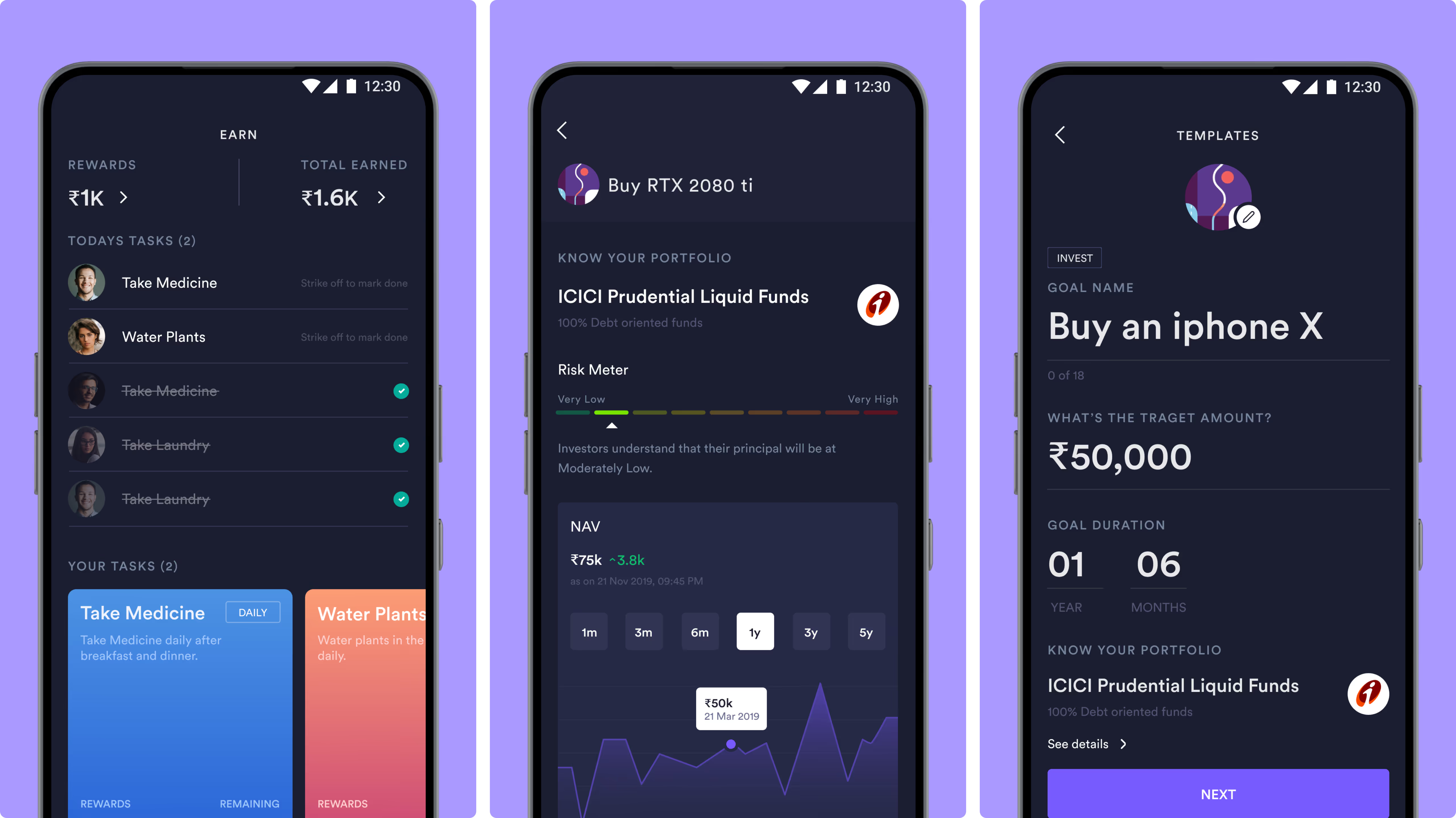
Data-rich views combine graphs, risk indicators, and fund details into structured cards. Visual layering helps users consume complex information without cognitive overload.
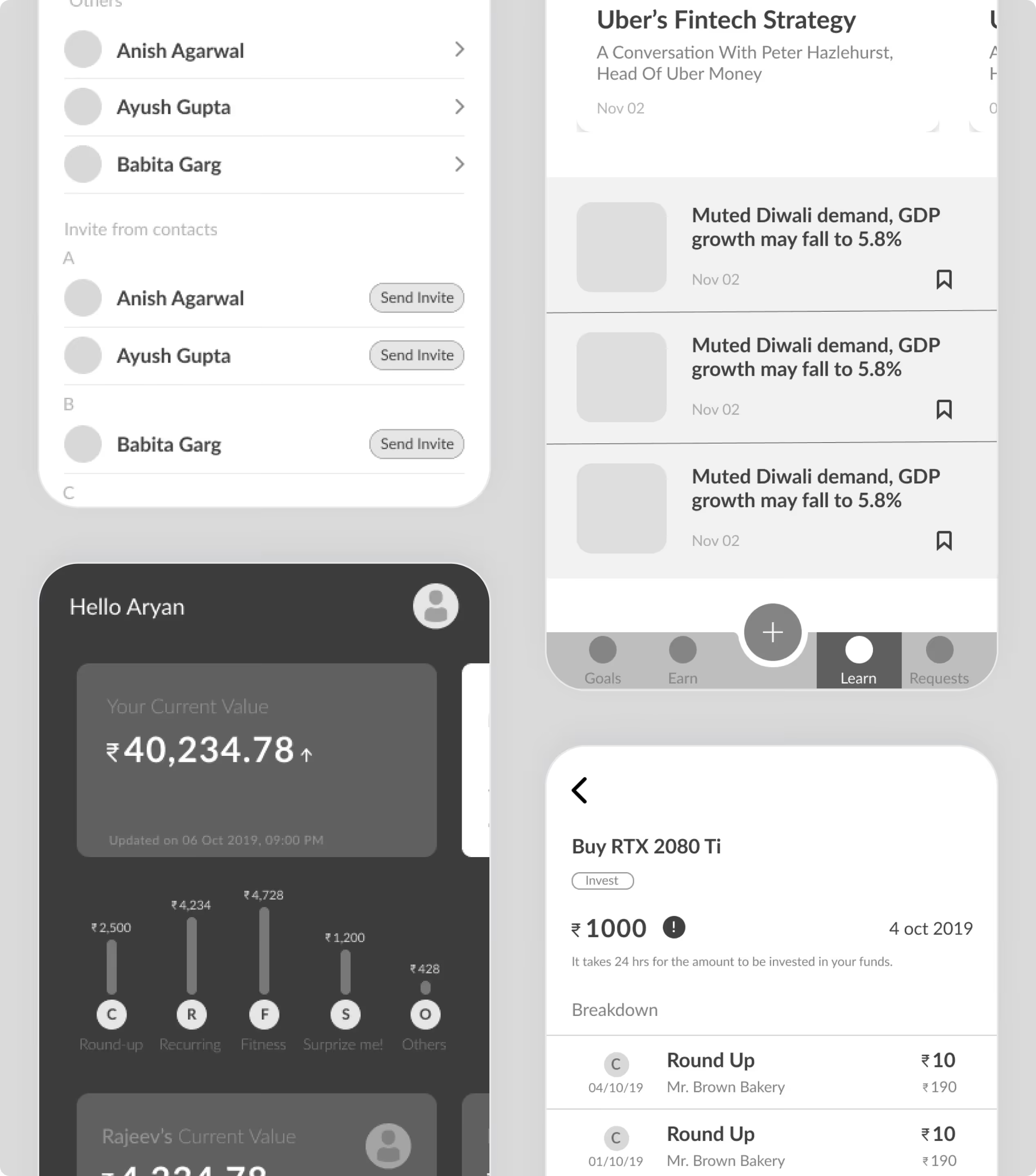
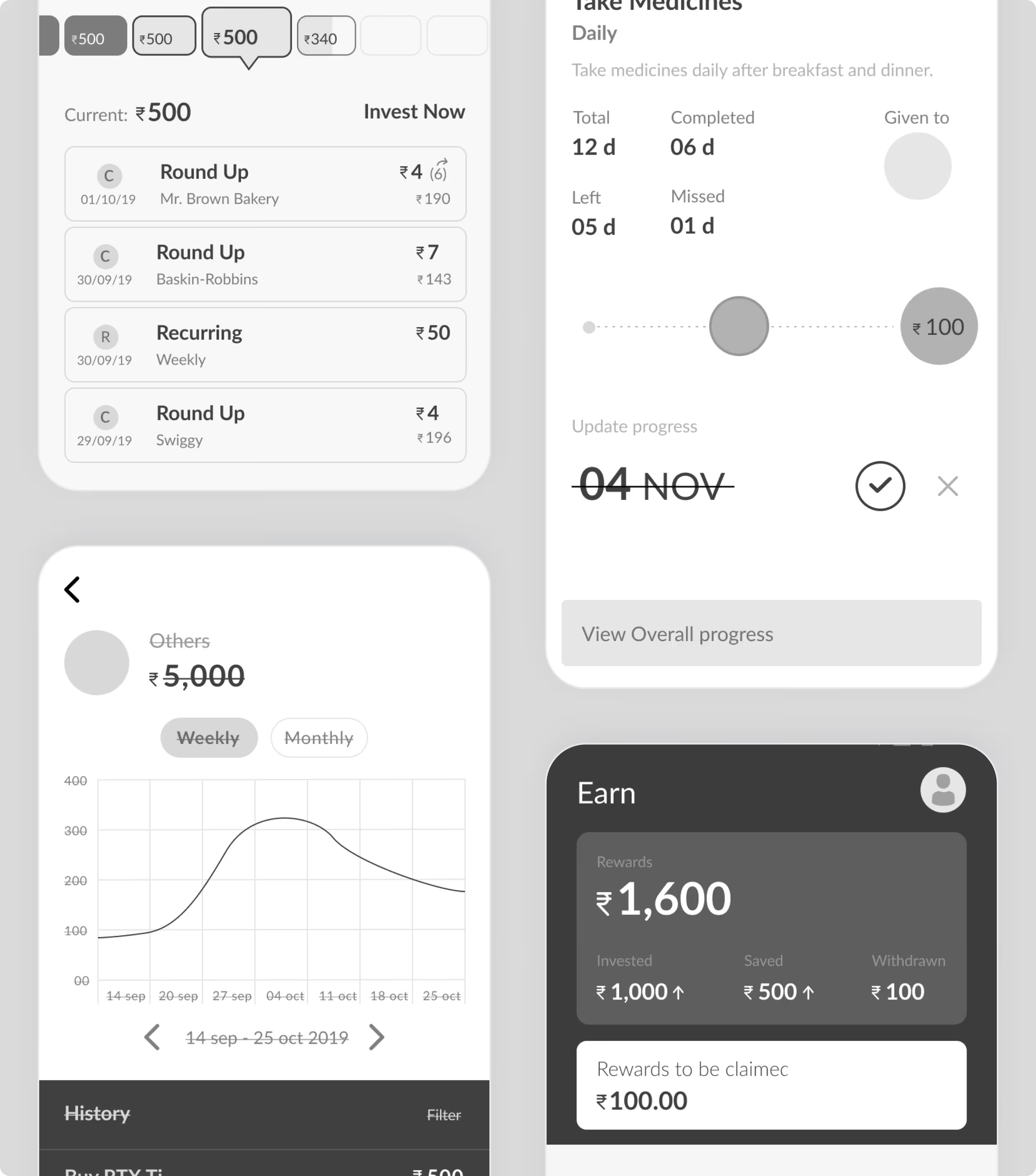
Wireframes structuring gamified financial learning flows, defining interactions, navigation, and goal-based user journeys.
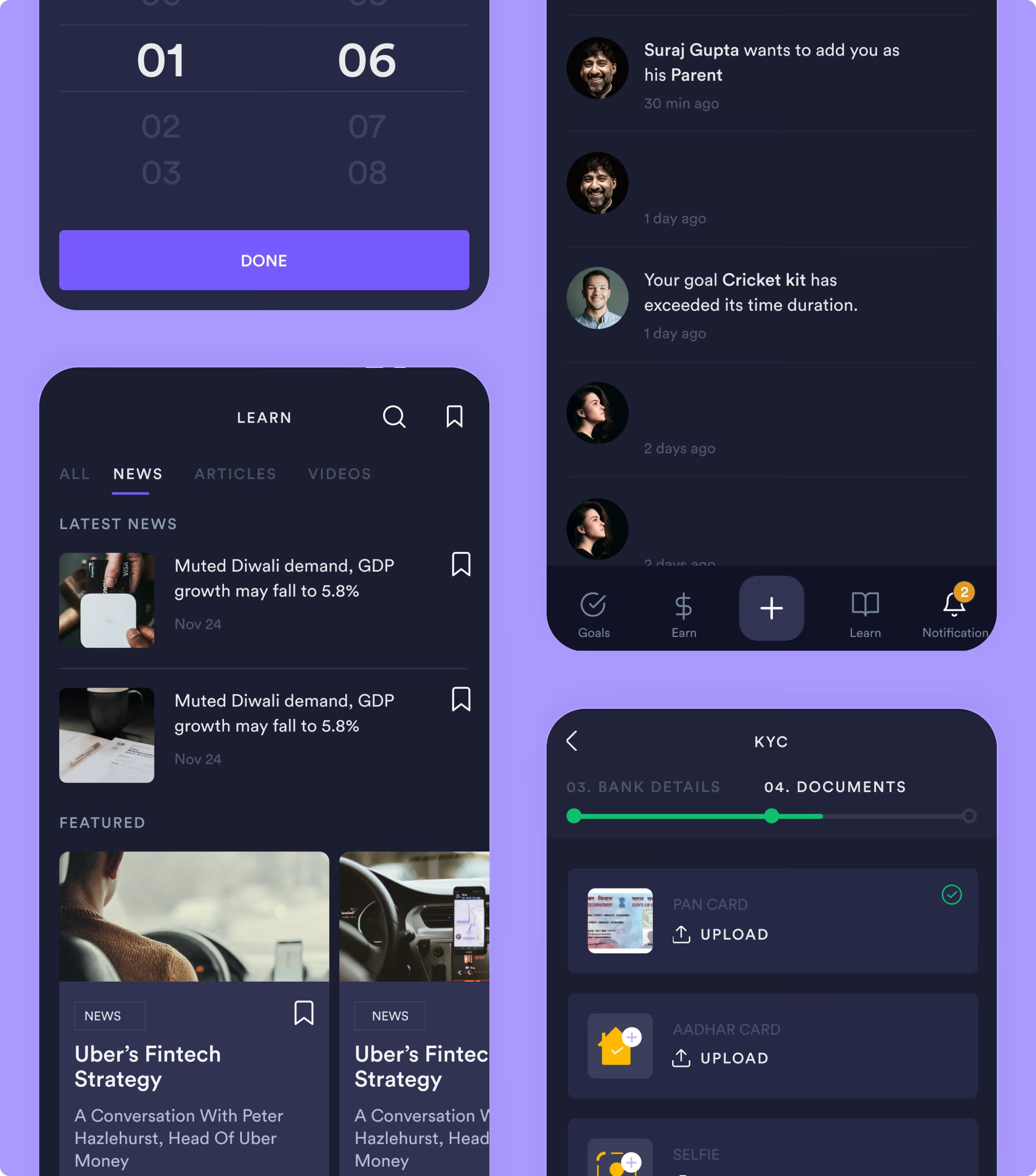
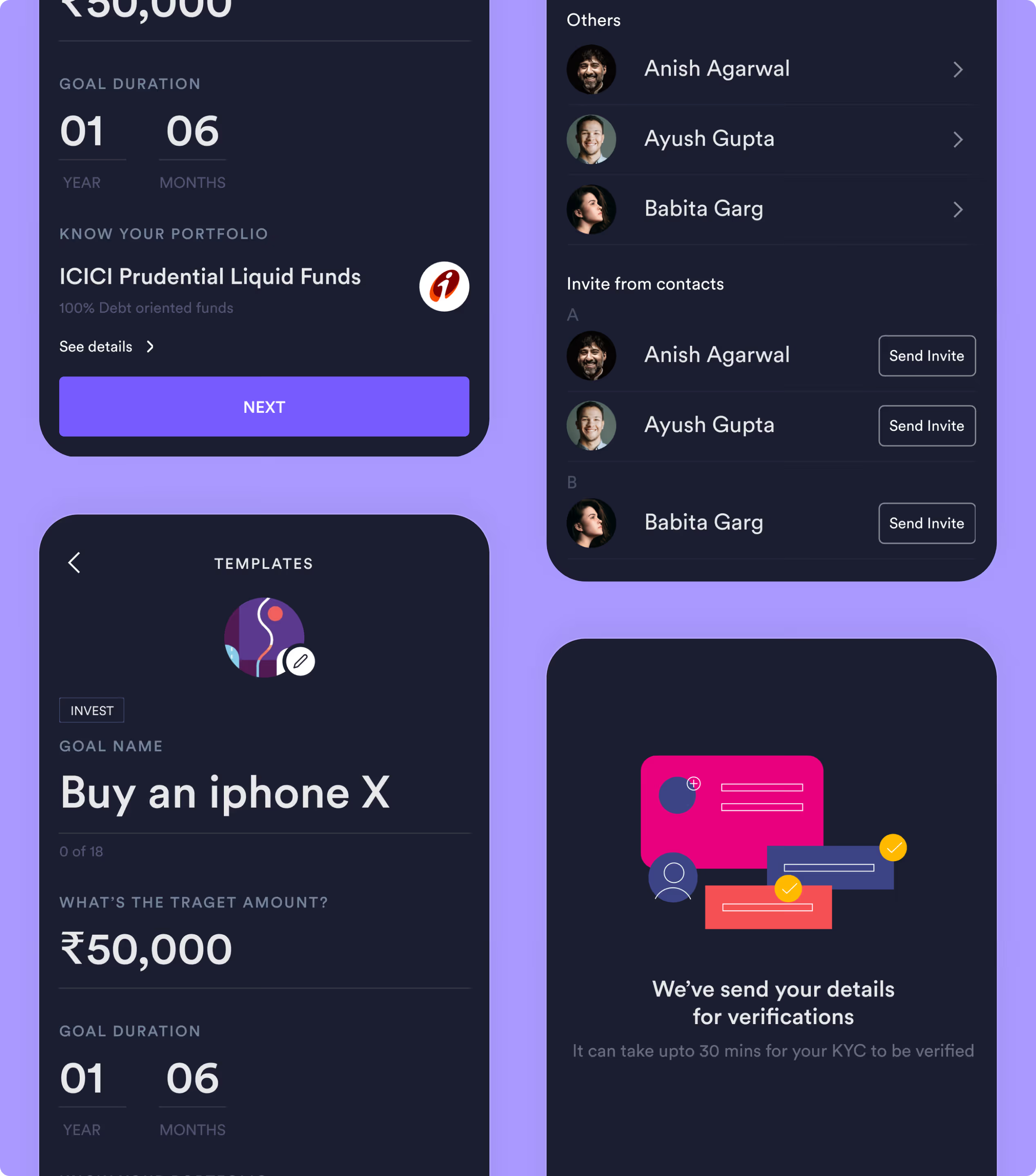
Visual design creating engaging, gamified interfaces with intuitive UI, enhancing financial education through interactive experiences.
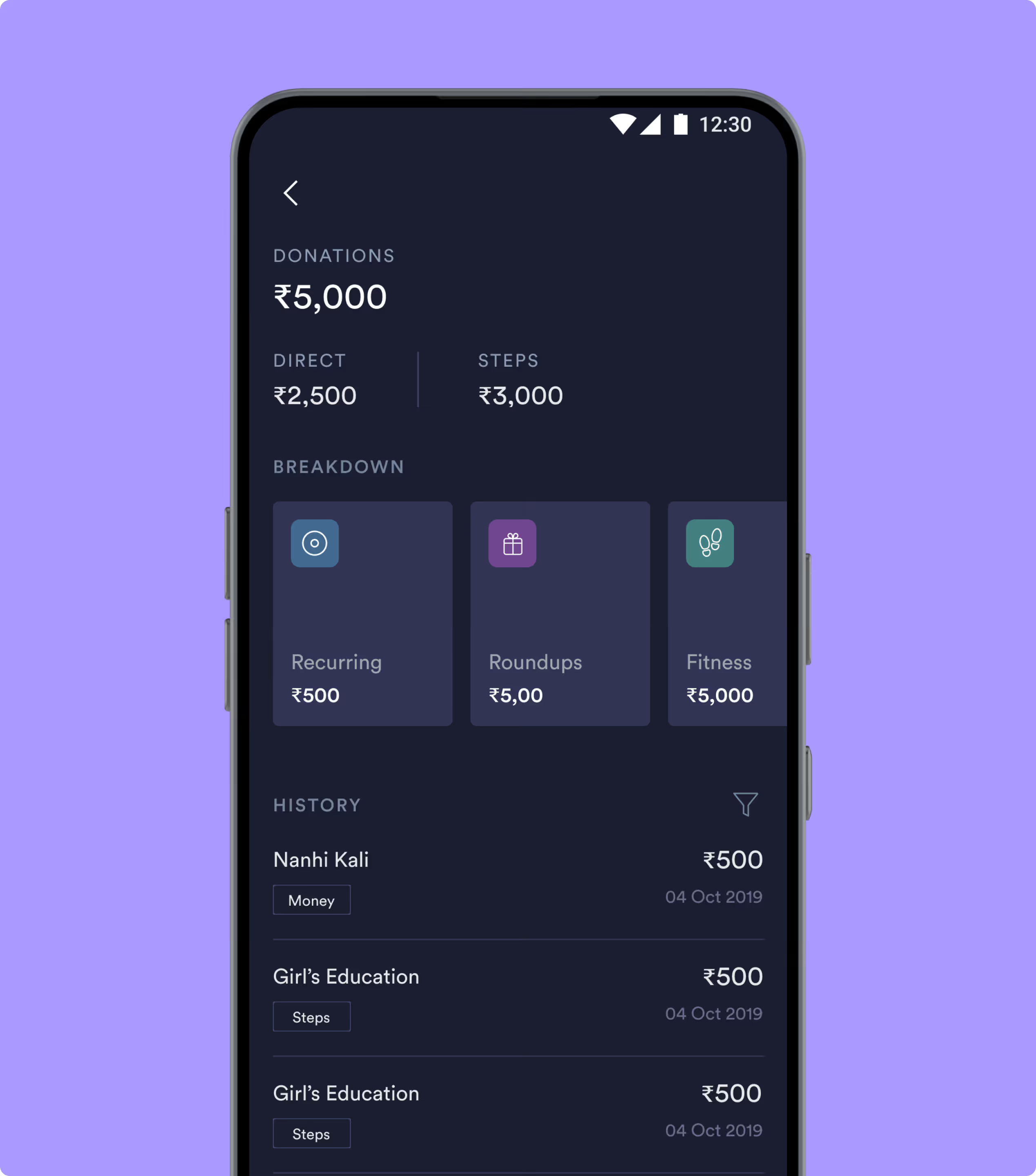
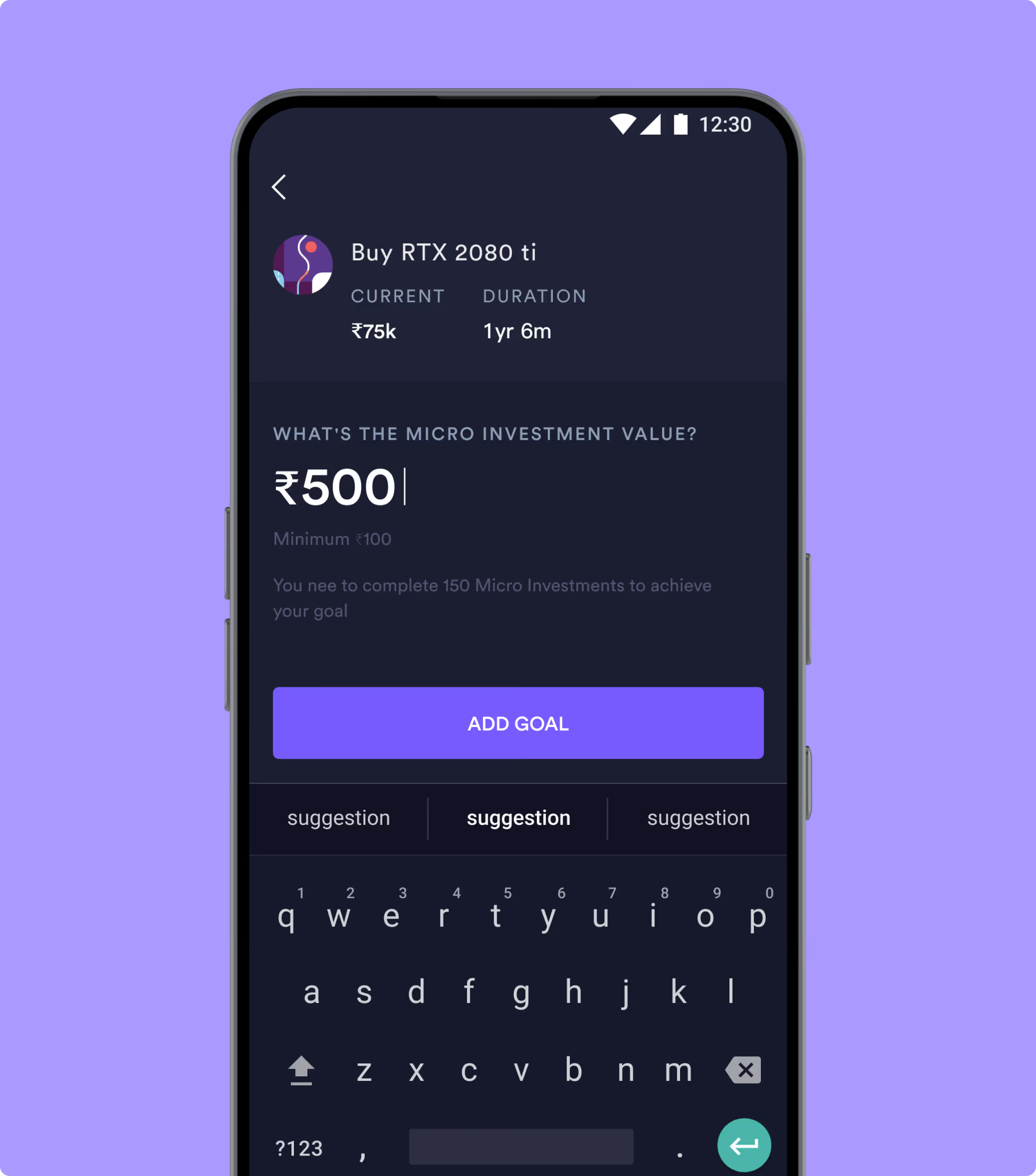
Donation flow design enabling seamless contributions with clear options, guided steps, and simplified transaction experience.


IAMIN is a goal-driven micro-investment app that helps users save toward specific financial goals in small, manageable increments rather than requiring large lump-sum investment decisions.
Micro-investment UX lives or dies on removing friction between intent and action - the same principle behind NetBramha's one-click checkout design for Razorpay Magic. In both cases, every additional screen between deciding to act and completing the action measurably reduces how many people follow through.
Framing a deposit as "progress toward a specific goal" rather than an abstract transaction changes how users relate to the action - it's a behavioural design decision, not just a visual one.
That behavioural-design lens shows up elsewhere in NetBramha's fintech portfolio too: TransUnion CIBIL's credit score interface uses a similar principle, translating an abstract number into a concrete, actionable next step rather than presenting it as a static fact.
A micro-investment product like IAMIN is built around small, frequent, low-stakes decisions, while a trading platform like Geojit is built around larger, less frequent, higher-stakes decisions with dense supporting data.
Designing for one doesn't transfer directly to the other - IAMIN's interface prioritises removing friction and building a habit; Geojit's prioritises information density and speed for informed decision-making.
IAMIN sits within NetBramha's consumer-facing fintech work alongside TransUnion CIBIL (credit health) and Niyo (neobanking research for travellers) - three different entry points into how individual consumers, rather than institutions, manage money.
The distinction matters: decorative gamification (badges, points with no real stakes) wears off within weeks. IAMIN's goal-based framing ties directly to a real, user-defined financial outcome, which is a behavioural design choice, not a cosmetic one.
NetBramha applies the same standard across its fintech portfolio - engagement mechanics only earn their place if they connect to a genuine outcome, the same bar applied when evaluating gamification in Cymorg's enterprise training platform.
Recommended Next

.avif)